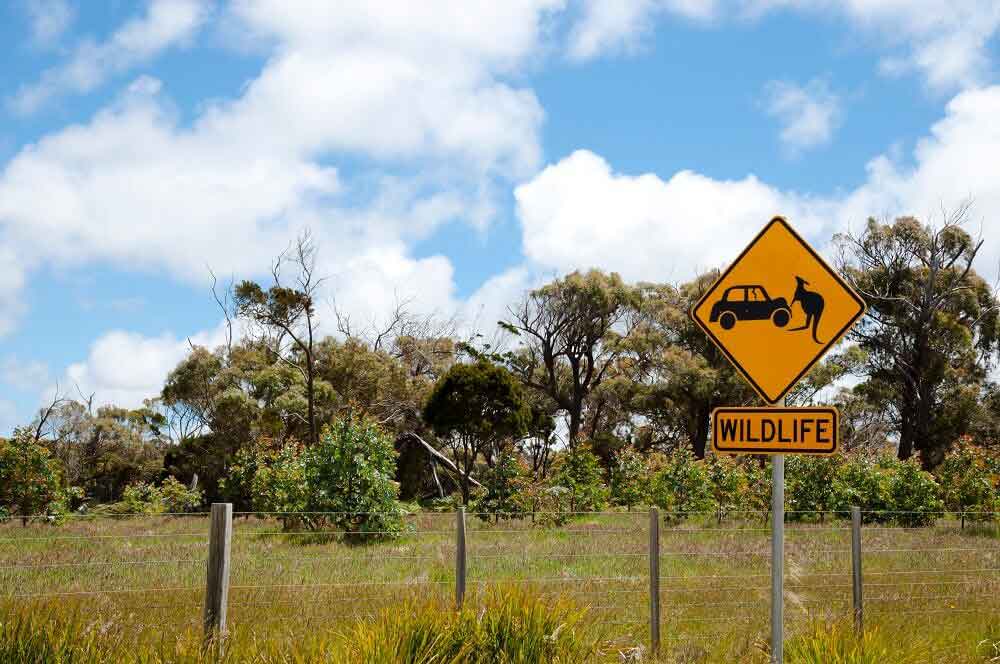
Accidents are traumatic enough when they involve people, but they become much more confusing and distressing when they involve animals. Drivers may ask themselves what their responsibilities are and what the legal consequences are. These incidents are governed by specific laws and regulations in Australia, which helps drivers navigate their responsibilities and possible liabilities.
Legal Obligations
Road rules relating to animals are different in each state or territory in Australia. Usually, drivers have to report specific animals if they hit them. These often consist of domesticated and reserved fauna. This is a reportable incident, and failing to do so may incur a fine or any other penalty. Drivers should ensure they understand their local rules of the road. Asking a lawyer something like “is hitting an animal an at fault accident?” means you’re on the right path to knowing your rights.
Animal Types and Reporting Requirements
Under Australian law, animals are treated differently. You might not be legally liable for hitting a kangaroo, as opposed to hitting a dog. Certain livestock — think cows and sheep — must be reported immediately. That is due to potential livestock owners needing to be notified. The same goes for protected wildlife like kangaroos and koalas. To ensure that injured animals get the proper treatment.
Insurance Considerations
Insurance will cover animal accidents. However, coverage can vary significantly. Animal-related incidents are commonly covered under comprehensive insurance; however, third-party policies may not be. Drivers must familiarise themselves with what is covered under their insurance agreements. Reaching out to the insurance company after an incident is appropriate for instructions on claims.
Preventive Measures for Drivers
Motorists are advised to remain particularly alert in rural areas where animals are more common. Slowing down in wildlife crossing areas lowers collision chances. Another approach is to install wildlife warning systems in the vehicles where they are driven to assist in warning the driver of possible hazards.
Liability and Fault
It’s also not clear who would be at fault in a case like this involving animals. Blame usually comes down to things like road conditions, how the drivers were behaving, and whether they were following the speed limit. However, they could be liable if they were negligent. But if an animal unexpectedly shows up and the driver exercises due care, then they may not be liable. It can help you sort out whose responsibility it is, and legal advice can be good in these situations.
Wildlife and Livestock Considerations
Australian roads, of course, bring their unique issues, including wildlife and livestock. Wildlife is unpredictable and can arrive on you with little time, if any, to react. In contrast, livestock might cross the road because of a poorly fenced pasture. In such cases, the animal owner may be partially liable. Drivers need to understand this difference so that they can determine whether or not they are required to have insurance.
What to Do After an Accident
If you are in an accident, there are certain steps to follow. Make sure everyone is safe and that no one is injured. Move the vehicle to prevent further accidents if it is safe to do so. Get in touch with local authorities if it is a reportable animal that bites your pet; the best authorities are animal control. Having photos that document the scene with you can be useful for insurance claims or legal questions.
Legal Support and Resources
When it comes to accidents with animals, legal support can be invaluable. Lawyers who work in traffic or with animals may shed light on possible liabilities. They can also help with insurance claims and know your rights. Several legal services will provide consultations that will help drivers understand their situations and what can be done.
Conclusion
While animal accidents can be complicated, the law can help define obligations. It is up to the driver to be aware of local laws and insurance policies on how to get out of that situation. Taking precautionary steps and follow-up reporting will help minimise the risks and help ensure compliance with the law. If drivers are aware and prepared, they can handle these occurrences skillfully and cautiously.


Leave a Reply